
Wrought iron gates—specifically, gates crafted from forged iron—are entrance gates for courtyards and entryways made primarily from high-quality wrought iron. They are shaped using traditional forging techniques such as manual hammering, bending, twisting, joining, and welding. Their defining characteristic—and the essence of their value—lies in this handcrafted forging process, distinguishing them from ordinary metal gates produced through standardized machine manufacturing.At Like Metal, we specialize in designing and manufacturing custom wrought iron gates for luxury villas, private residences, estates, and architectural projects worldwide.
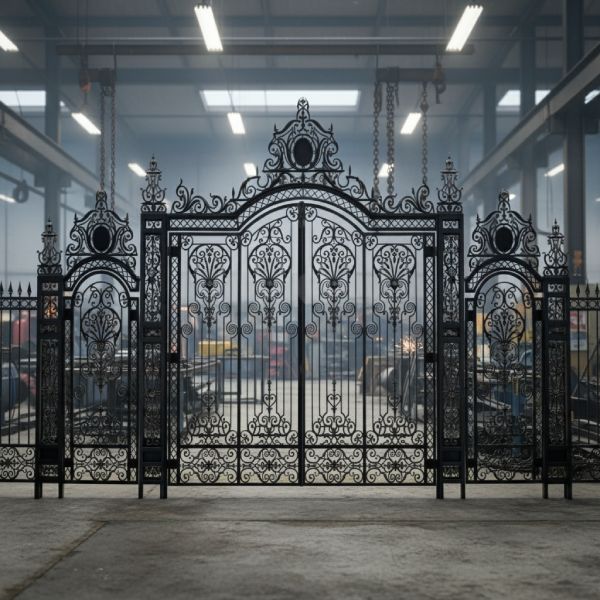
1.Core Definition of Wrought Iron Gates
Wrought iron gates are durable and decorative entrance gates commonly used for courtyards, gardens, villas, estates, and architectural projects. Traditionally crafted from wrought iron or high-quality low-carbon steel, these gates are shaped through forging techniques such as hammering, bending, twisting, assembling, and welding to create strong structures with elegant decorative details.
The defining feature of wrought iron gates is their handcrafted ironwork, which distinguishes them from ordinary metal gates produced through standardized machine manufacturing. Skilled craftsmen transform metal materials into flowing curves, intricate patterns, and three-dimensional textures, creating gates that combine structural strength, security, and artistic beauty.
2. Core Materials and Craftsmanship of Wrought Iron Gates
To truly understand the value of Wrought Iron Gates, it is essential to look deeper into the materials and manufacturing techniques behind them. These elements not only determine the structural strength of wrought iron gate but also give them unique artistic appeal and long-lasting performance that set them apart from ordinary metal doors.
2.1 Core Materials: Strong Structure Built for Long-Term Durability
Authentic, high-quality wrought iron doors are crafted from low-carbon wrought iron and solid steel. These materials offer low carbon content and excellent ductility, ensuring resistance to brittleness, cracking, and deformation. Unlike ordinary iron doors—which often feature hollow structures made of thin sheet metal—wrought iron doors typically utilize solid materials or reinforced solid frameworks. They offer superior impact and deformation resistance, with overall stability and load-bearing capacity far exceeding those of stainless steel or cast aluminum doors. Furthermore, the high density and compact structure of the steel make forced entry extremely difficult, providing outstanding basic security performance.
2.2 Forging Craftsmanship: Handcrafted Designs, Unique Architectural Works
Forging craftsmanship is the defining feature that distinguishes wrought iron gates from standard industrial doors.
During the traditional manufacturing process, skilled craftsmen heat and soften the metal before shaping it through various techniques, including hammering, stretching, twisting, bending, scroll forming, and decorative cut-out work. Through these processes, cold metal is transformed into elegant architectural artwork with distinctive character.
From classic European vine patterns and vintage iron floral details to modern geometric designs, different forging techniques create a wide range of visual styles to meet the personalized requirements of villas, luxury residences, and commercial architectural projects.
Because many processes rely on the experience and craftsmanship of skilled artisans, every customized wrought iron gate features unique handcrafted details, including curved lines, connection points, and surface textures. This ensures that each gate has its own character and cannot be completely replicated by mass production.
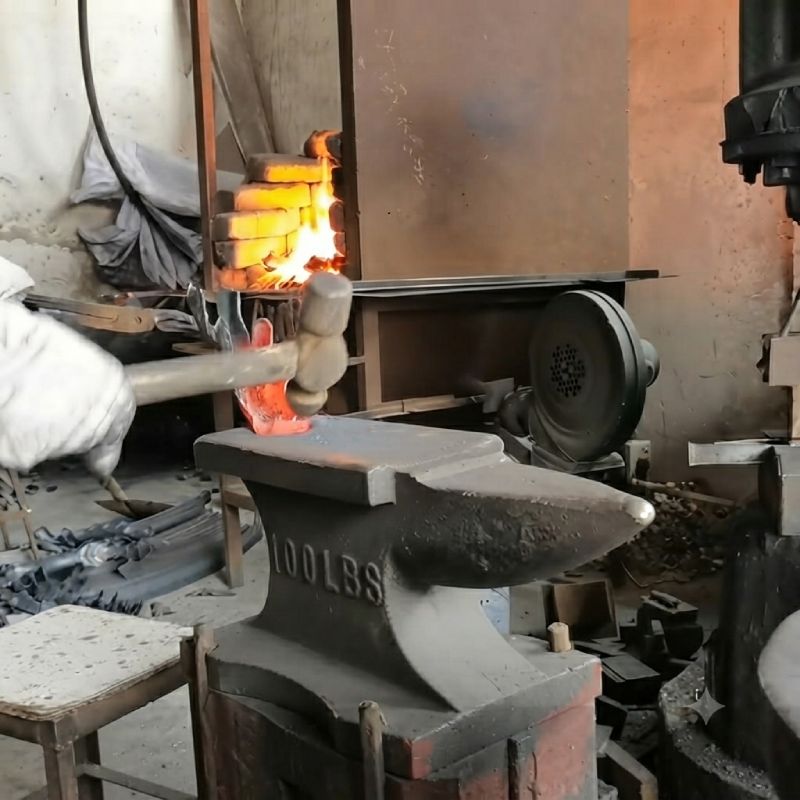
2.3 Multi-Layer Surface Treatment: Enhanced Protection for Outdoor Environments
A high-quality wrought iron gate relies not only on a strong metal structure but also on professional surface protection processes to ensure long-lasting performance.
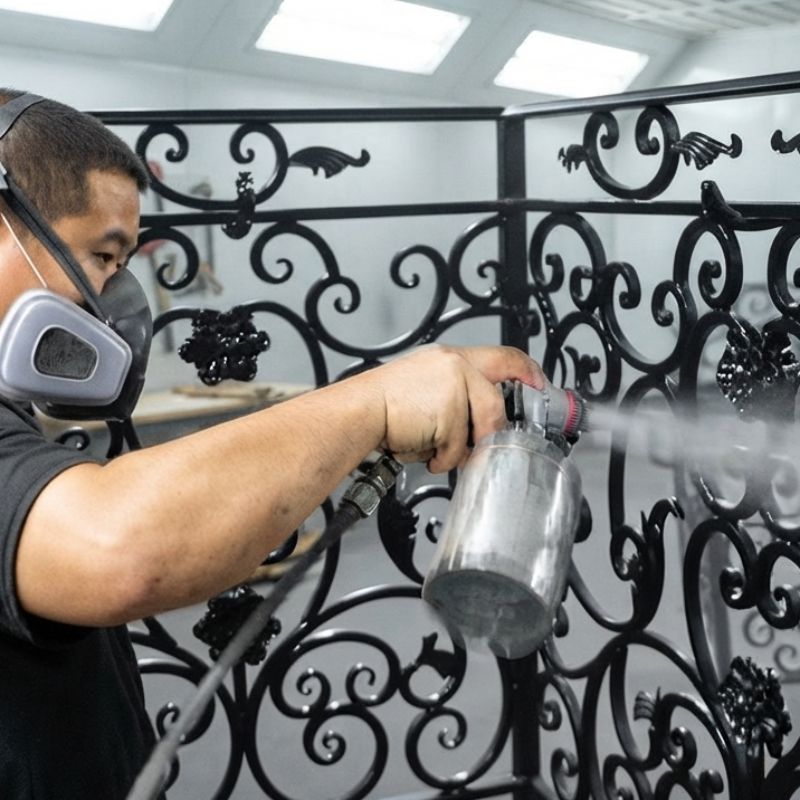
At Like Metal, our wrought iron gates typically go through multiple finishing procedures, including:
- Sandblasting or mechanical cleaning to remove rust, impurities, and surface oxidation;
- Anti-corrosion primer application to improve rust resistance;
- Electrostatic powder coating to enhance coating adhesion and durability;
- High-temperature baking to create a more uniform and stable surface finish;
- Antique finishing or customized decorative treatments to achieve different design effects.
Through a multi-layer protection system, wrought iron gates can better withstand outdoor conditions, including prolonged sunlight exposure, rain, humidity, and changing climates. This allows them to maintain both their appearance and durability over many years.
As a professional custom metal manufacturer, Like Metal provides customized wrought iron gate solutions with various sizes, structures, and finishing options. We create high-quality custom wrought iron gate for villas, private residences, commercial buildings, and architectural projects worldwide.
3. Types of Wrought Iron Gates
To meet different architectural requirements and functional needs, wrought iron gates are generally divided into three main categories: driveway gates, garden gates, and security gates. Each type offers unique advantages in terms of access control, aesthetics, and property protection.
3.1 Wrought Iron Driveway Gates: Elegant Entrances for Vehicles
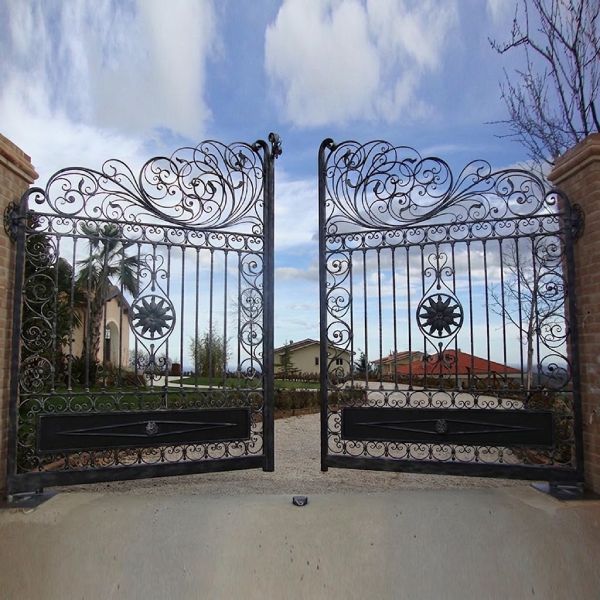
Designed primarily for vehicle access, wrought iron driveway gates are commonly installed at the main entrances of villas, private estates, and commercial properties.
They are available in various configurations, including single swing gates, double swing gates, and sliding gates. These gates can also be integrated with automatic gate openers, smart access control systems, remote controls, and other modern technologies to provide both convenience and security.
With their grand appearance and customizable designs, wrought iron driveway gates create an impressive first impression while enhancing the overall architectural style of a property.
3.2 Wrought Iron Garden & Pedestrian Gates: Decorative Access Solutions
Smaller in size, wrought iron garden gates are designed for pedestrian entrances, garden pathways, side yards, terraces, and private outdoor areas.
Although compact compared with driveway gates, they offer the same level of craftsmanship and decorative appeal. Custom patterns, curved details, floral motifs, and geometric designs can be incorporated to complement the surrounding landscape and architectural style.
Besides providing controlled access, garden gates also help define private spaces while adding elegance and character to outdoor environments.
3.3 Wrought Iron Security & Perimeter Gates: Enhanced Property Protection
For properties that require higher levels of protection, wrought iron security gates and perimeter gates provide a stronger and more robust solution.
These heavy-duty gates are typically designed with reinforced structures, taller dimensions, and durable materials to protect private residences, estates, commercial buildings, and restricted areas.
Combining security performance with architectural aesthetics, custom wrought iron security gates offer reliable protection without compromising the visual appeal of the property entrance.
As a professional custom metal manufacturer, Like Metal provides customized wrought iron gate solutions for residential, commercial, and architectural projects. From classic European-inspired designs to modern minimalist styles, every gate can be tailored in terms of size, pattern, finish, and installation requirements.
4. Popular Wrought Iron Gate Design Styles: From Classic to Modern
The versatility of wrought iron allows it to seamlessly adapt to a wide range of architectural styles. From timeless European-inspired designs to contemporary minimalist concepts, custom wrought iron gates can be tailored to complement different properties, landscapes, and architectural visions.
4.1 Modern Minimalist Wrought Iron Gates
Modern wrought iron gates focus on simplicity, balance, and clean architectural aesthetics. They typically feature straight horizontal or vertical lines, geometric frames, and smooth matte black finishes.
This style is an ideal choice for contemporary homes, luxury villas, and modern architectural projects that emphasize understated elegance, privacy, and a refined visual appearance. With simple structures and carefully designed proportions, minimalist wrought iron gates create a sophisticated entrance without excessive decoration.
4.2 Traditional & Ornamental Wrought Iron Gates
Traditional wrought iron gate showcase the artistic craftsmanship and decorative beauty of forged metal. They often incorporate elegant scrollwork, ornamental finials, spearhead details, floral motifs, and intricate handcrafted patterns.
Inspired by European architectural styles such as French Baroque, Gothic, and Mediterranean designs, these decorative wrought iron gate are perfectly suited for historic residences, luxury estates, manor houses, and classic architectural projects.
Through customized forging techniques, each gate can feature unique curves, textures, and artistic details, creating an impressive entrance that combines security, craftsmanship, and timeless beauty.
5. How Much Does a Wrought Iron Gate Cost?
The cost of a wrought iron gate depends on several key factors that influence the final price, including size, design complexity, finishing options, and additional hardware requirements.
5.1 Size and Specifications
Larger driveway gates require more raw materials, stronger structural support, and additional fabrication work compared with smaller garden or pedestrian gates. The overall dimensions, gate type, and installation requirements all affect the final cost.
5.2 Design Complexity and Customization
Custom wrought iron gates featuring handcrafted scrollwork, ornamental patterns, and unique architectural details require more skilled labor and production time than standard prefabricated designs. The level of customization directly influences the overall investment.
5.3 Protective Coatings and Surface Finishes
High-quality corrosion protection treatments, such as hot-dip galvanizing combined with powder coating, may increase the initial cost but significantly extend the service life of the gate. These finishing processes help protect wrought iron gates against rust, weather exposure, and long-term outdoor use.
5.4 Gate Motor and Automation Options
Adding a gate motor, such as a swing gate motor or sliding gate motor, can improve daily convenience and operation efficiency. The additional cost depends on the motor type, power requirements, and installation conditions.
For automated wrought iron gates, Like Metal uses high-quality motors imported from Italy, providing smooth operation, reliable performance, and long-term durability. The motor system can be customized according to different gate designs, weights, and project requirements.
6. Key Differences Between Wrought Iron Gates, Steel Doors, and Aluminum Gates
When choosing a metal gate, many customers often compare wrought iron gates with standard steel doors and cast aluminum gates. Although all three options can be used for entrances and security applications, they differ significantly in terms of materials, manufacturing processes, durability, and visual appeal.
6.1 Standard Steel Doors
Standard steel doors are typically manufactured through machine cutting, stamping, or welding processes using thinner metal sheets or hollow structures. They offer a cost-effective solution for basic access control and security needs.
However, compared with custom wrought iron gates, standard steel doors usually have fewer design possibilities and limited decorative details. Long-term outdoor exposure may also require regular maintenance to prevent issues such as corrosion, surface damage, or coating deterioration.
6.2 Cast Aluminum Gates
Cast aluminum gates are known for being lightweight, corrosion-resistant, and relatively easy to install. Because aluminum does not rust like traditional iron materials, it can be a practical choice for certain residential applications.
However, aluminum has different mechanical properties compared with steel. It generally provides a lighter structure and a different surface texture, while custom decorative details and handcrafted forging effects are more limited compared with wrought iron craftsmanship.
6.3 Wrought Iron Gates
Wrought iron gates are manufactured using strong metal structures combined with traditional forging techniques and skilled craftsmanship. Their solid construction provides excellent stability, durability, and long-term performance.
Beyond functionality, wrought iron gate offer exceptional design flexibility. From classic scrollwork and ornamental patterns to modern geometric styles, each custom gate can be tailored to match the architectural style of villas, estates, hotels, and commercial projects.
The main considerations of wrought iron gates are their heavier weight and higher investment compared with standard metal doors. In addition, customized handcrafted production usually requires a longer manufacturing lead time due to the complexity of the design and finishing process.
7. Applications of Wrought Iron Gates
With their combination of structural strength, elegant appearance, and customizable designs, wrought iron gates are widely used in residential, commercial, and architectural projects. They not only provide secure access control but also serve as an important design element that enhances the overall appearance of a property.
7.1 Luxury Villas and Private Residences
Wrought iron gates are a popular choice for luxury villas and private homes, where the entrance plays an important role in creating the first impression of the property. Custom designs, decorative details, and premium finishes can be tailored to match the architectural style of modern villas, classic residences, and high-end homes.
7.2 Private Estates and Manor Houses
For large private estates and manor houses, wrought iron driveway gates provide both security and a grand architectural presence. Traditional scrollwork, ornamental patterns, and custom forged details help create elegant entrances that complement historic, European, and luxury estate designs.
7.3 Garden Entrances and Landscape Projects
Smaller wrought iron garden gates are widely used for garden pathways, courtyards, side entrances, and landscape projects. Their decorative designs help define outdoor spaces while adding a timeless artistic element to gardens and residential environments.
7.4 Hotels, Resorts, and Hospitality Projects
In hotels, resorts, and hospitality developments, wrought iron gates are often used to create memorable entrances and enhance the overall guest experience. Custom metal designs can reflect the unique brand style and architectural theme of each project.
7.5 Commercial and Architectural Projects
Wrought iron gates are also suitable for commercial buildings, luxury communities, public spaces, and architectural developments that require customized entrance solutions. Their combination of durability, flexibility, and aesthetic appeal makes them an ideal choice for various professional projects.
At Like Metal, we provide custom wrought iron gate solutions for architects, designers, contractors, and property developers worldwide. Each project can be customized according to size, design style, surface finish, and installation requirements.
8. How to Choose the Right Wrought Iron Gate
Choosing the right wrought iron gate requires careful consideration of your property’s architecture, functional requirements, and long-term usage needs. A well-designed gate should not only provide security and access control but also complement the overall style of the building and outdoor environment.
8.1 Consider the Gate Location and Purpose
The first step is to determine where the wrought iron gate will be installed and its primary function. Driveway gates, garden gates, pedestrian gates, and security gates have different design and structural requirements.
For vehicle entrances, larger and stronger structures are usually required, while garden or pedestrian gates can focus more on decorative details and landscape integration. Understanding the application helps ensure the right gate design and configuration.
8.2 Select the Appropriate Size and Opening Style
The size and opening method of a wrought iron gate should match the available space and daily usage requirements.
- Swing Gates: A classic choice for villas and residential entrances, offering an elegant and traditional appearance.
- Sliding Gates: Ideal for properties with limited driveway space or wider entrances.
- Pedestrian Gates: Suitable for gardens, side entrances, and private pathways.
Accurate measurements of the entrance width, height, and installation area are essential to ensure smooth operation and proper installation.
8.3 Match the Gate Design with Your Architectural Style
The design of a wrought iron gate should complement the overall architectural style of the property.
Classic villas and estates often benefit from decorative elements such as scrollwork, floral patterns, and ornamental details, while modern homes may prefer minimalist designs with clean lines, geometric shapes, and matte finishes.
Custom wrought iron gate allow homeowners, architects, and designers to create entrance solutions that match their specific aesthetic vision.
8.4 Choose the Right Surface Finish for Outdoor Conditions
Since wrought iron gates are commonly installed outdoors, selecting the appropriate surface finish is important for long-term performance.
Common finishing options include powder coating, galvanized treatment, and customized decorative finishes. The choice depends on factors such as climate conditions, maintenance requirements, and desired appearance.
8.5 Consider Automation and Additional Features
For improved convenience, wrought iron gate can be equipped with automatic gate motors, remote controls, access control systems, and other smart features.
The choice of motor system depends on the gate type, size, weight, and frequency of use. Professional planning ensures reliable operation and a better user experience.
8.6 Work with an Experienced Custom Manufacturer
A professional wrought iron gate manufacturer can provide customized solutions based on your project requirements, including design development, material selection, fabrication, finishing, and installation guidance.
At Like Metal, we work with architects, contractors, designers, and property owners worldwide to create custom wrought iron gates tailored to different architectural styles and project requirements.
Frequently Asked Questions About Wrought Iron Gates
1. Are wrought iron gates durable?
Yes. High-quality wrought iron gates are known for their strength, stability, and long service life. With proper material selection and professional surface treatments, they can withstand outdoor conditions such as sunlight, rain, and humidity while maintaining their structural performance and appearance for many years.
2. How much does a custom wrought iron gate cost?
The cost of a custom wrought iron gate depends on several factors, including size, design complexity, material thickness, surface finish, and additional features such as gate motors. Larger gates with intricate handcrafted designs usually require more materials and production time, resulting in a higher investment.
3. Is wrought iron gate suitable for outdoor use?
Yes. Wrought iron gates are widely used for outdoor applications, including villa entrances, garden gates, private estates, and commercial properties. Professional anti-corrosion treatments, such as primer coating, powder coating, or galvanizing, help improve weather resistance and extend service life.
4. Can wrought iron gate be customized?
Yes. Custom wrought iron gate can be designed according to specific requirements, including dimensions, patterns, opening styles, colors, finishes, and decorative elements. This makes them suitable for unique architectural projects where standard gate designs cannot meet the desired appearance.
5. How long does it take to manufacture a custom wrought iron gate?
The production time depends on the gate size, design complexity, quantity, and finishing requirements. Simple designs can usually be completed faster, while highly customized handcrafted gates require more time for fabrication, surface treatment, and quality inspection.